The digital transformation of manufacturing is not only about machines, automation and software. It is also about information.
Knowing where a material comes from. Knowing its composition. Understanding the path it took through the supply chain. Having reliable product information. These aspects matter more and more.
What traceability means
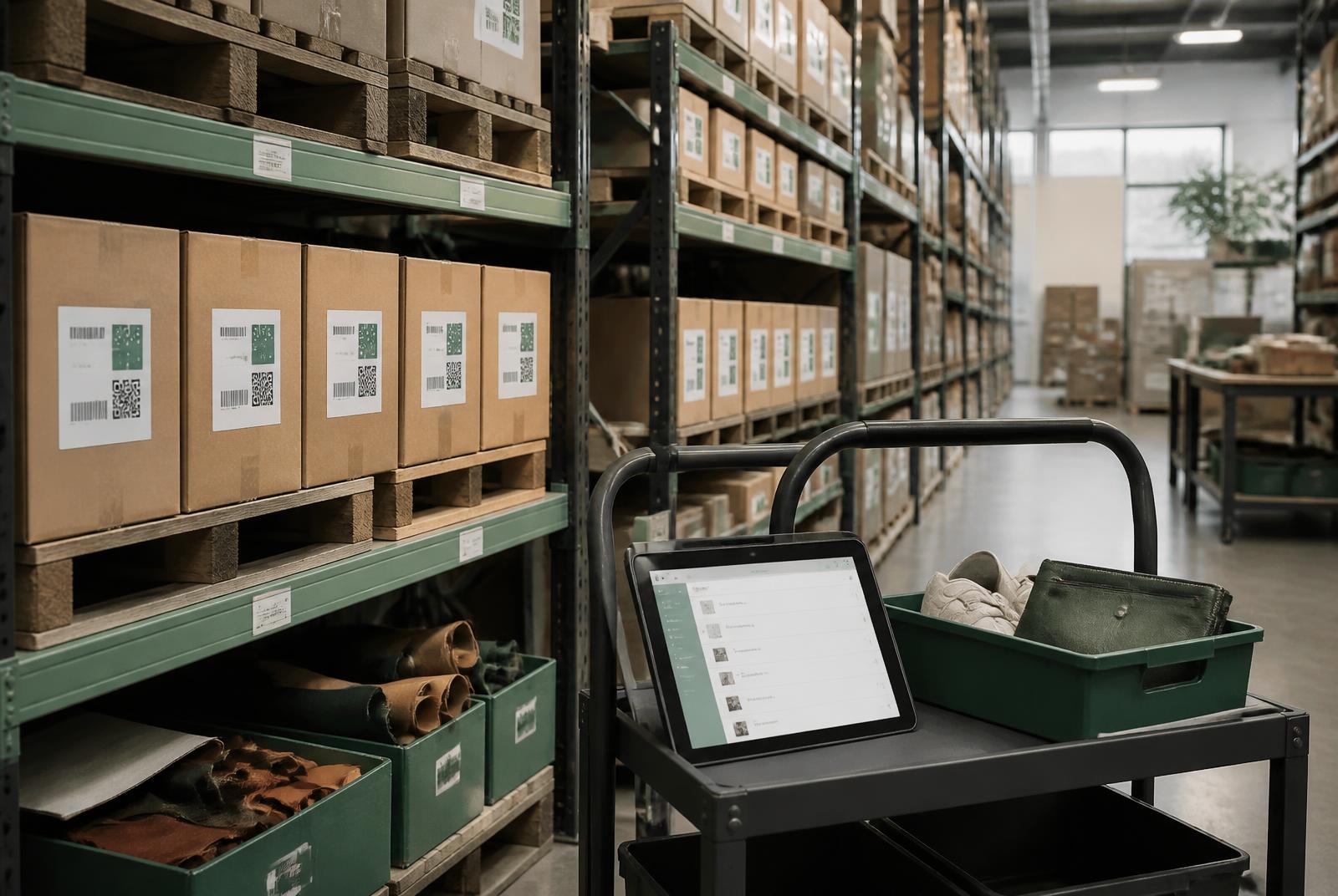
Traceability is the ability to reconstruct and document the journey of a product, material or component along the supply chain. It does not necessarily mean more technology. It means better organised, verifiable and usable information.
Why it matters
Today's supply chains are complex. A product can involve raw materials, suppliers, components, processes, transport, assembly and distribution. The greater the complexity, the more it matters to know what happens along the way.
The Digital Product Passport
One of the tools emerging in the European framework is the Digital Product Passport. The idea is to associate a product with a structured set of digital information supporting transparency, traceability and life-cycle management.
European regulation is developing this approach progressively through the Ecodesign for Sustainable Products Regulation. It is important not to oversimplify: the Digital Product Passport does not mean every product already carries the same kind of digital passport today. Requirements, product categories and timelines depend on how the European framework evolves.
The value of data
Data therefore becomes part of the supply chain. Accurate information can help understand:
- origin
- composition
- durability
- repairability
- availability of parts
- recovery options
- product characteristics
The quality of the data is becoming as important as the quality of the material.
Made in Italy and transparency
For Italian manufacturing this is both a challenge and an opportunity. Italy's production culture has built up a heritage of expertise, craftsmanship, specialisation, material knowledge and supply-chain relationships.
Digitalisation can help make part of that heritage easier to document and read.
A more connected supply chain
Traceability does not concern a single player. It requires collaboration: manufacturers, suppliers, technicians, designers, logistics and partners. Each contributes to the overall quality of the information.
Looking ahead
Traceability will not only be a regulatory matter. It can become a new form of production knowledge. Knowing more means being able to decide better. And in an increasingly complex supply chain, knowledge becomes a strategic resource.
In an increasingly complex supply chain, knowledge becomes a strategic resource.
In summary
- Supply-chain complexity increases the value of traceability.
- Data can make the journey of materials and products more readable.
- The Digital Product Passport is one of the tools emerging in the European framework.
- The regulatory framework is still evolving.
- Collaboration across the supply chain will be essential.
Sources
- European Commission — Ecodesign for Sustainable Products Regulation.
- European Commission — Digital Product Passport.
- Recent academic research on traceability and the Digital Product Passport in the fashion and Made in Italy supply chain.